
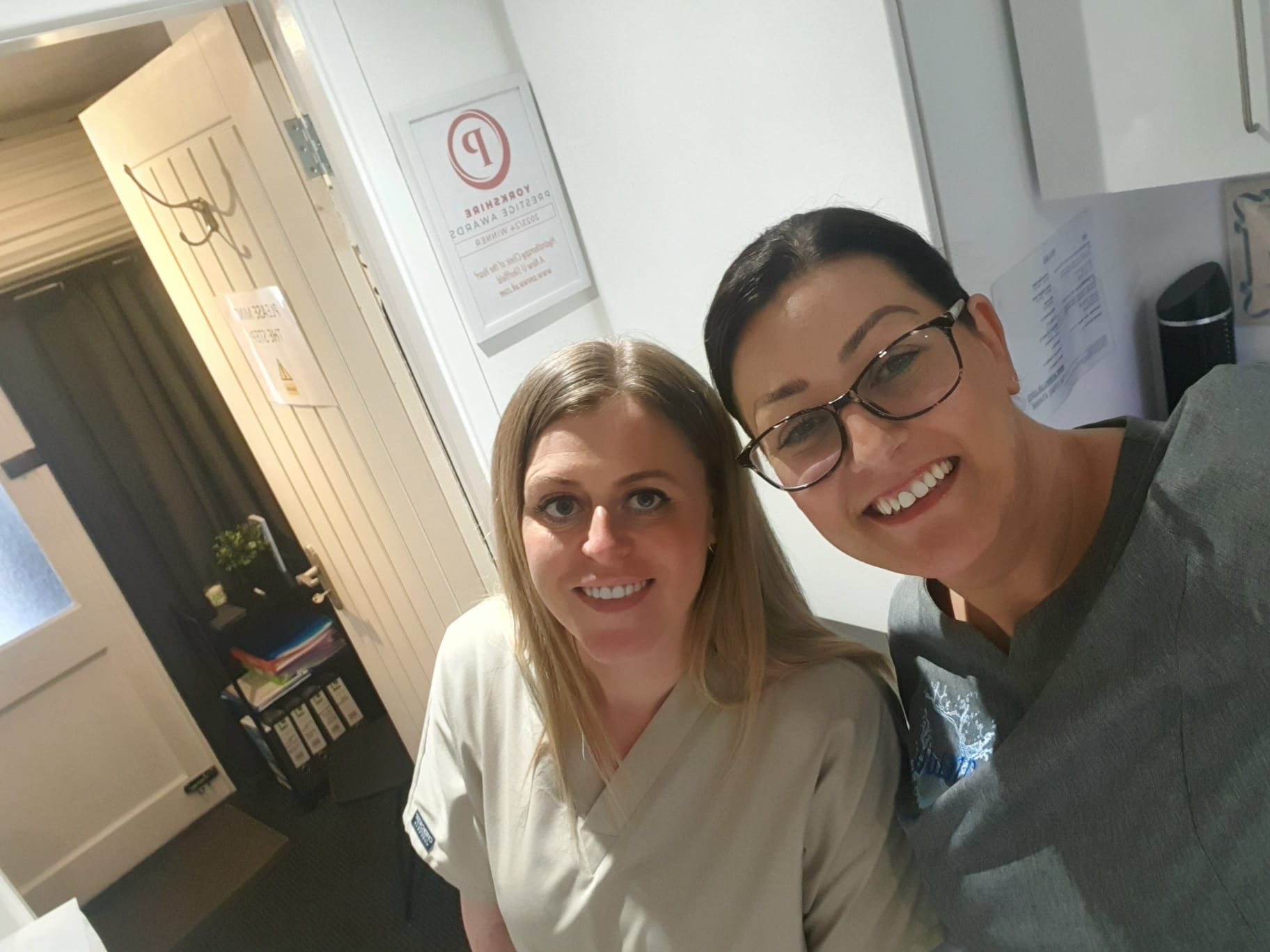
Completing your colon hydrotherapy training is a major milestone, but for many graduates, it is only the beginning of the journey. Moving from student to practitioner involves more than technical skill; it requires confidence, professionalism, planning, and a clear understanding of how to build a sustainable practice that supports both clients and long-term career goals.
With the right foundations in place, colon hydrotherapy can become a rewarding and flexible profession, whether you choose to work independently, within a clinic, or alongside other holistic therapies.
Transitioning From Training Into Practice
The shift from training to professional practice can feel daunting at first. During training, students benefit from supervision, structured learning, and immediate feedback. Once qualified, practitioners must begin applying that knowledge independently.
A strong training programme prepares students for this transition by ensuring they understand not only how to carry out treatments safely, but also how to work responsibly with real clients. Confidence develops through preparation, repetition, and a clear understanding of professional expectations.
Choosing the Right Practice Setting
One of the first decisions new practitioners face is where they will practise. Colon hydrotherapy offers flexibility, allowing practitioners to choose a setting that suits their lifestyle and career ambitions.
Common options include:
-
Renting a room within an established wellness or holistic clinic
-
Working from a dedicated treatment space that meets hygiene standards
-
Offering services as part of a multi-therapy practice
-
Building a part-time practice alongside another profession
Each option has its advantages, and many practitioners begin modestly before expanding as their client base grows.
Understanding Professional Responsibilities
Running a colon hydrotherapy practice involves professional responsibilities beyond treatment delivery. These responsibilities help protect both practitioner and client, while ensuring high standards of care.
Key considerations include:
-
Maintaining accurate client records
-
Adhering to hygiene and infection control protocols
-
Ensuring informed consent is always obtained
-
Working within professional and ethical boundaries
Establishing good habits early makes daily practice smoother and more professional.
Building Client Trust and Confidence
Client trust is at the heart of a successful colon hydrotherapy practice. Many clients are new to the therapy and may feel uncertain or anxious before their first session. How a practitioner communicates, listens, and explains procedures plays a crucial role in client comfort.
Successful practitioners focus on:
-
Clear, respectful communication
-
Taking time during consultations
-
Explaining procedures in simple, reassuring language
-
Creating a calm and professional environment
Trust leads to positive experiences, repeat appointments, and word-of-mouth recommendations.
Developing a Professional Identity
As a practitioner, how you present yourself professionally matters. This includes your communication style, your treatment space, and how you describe your services.
Developing a professional identity involves:
-
Being clear about the services you offer
-
Understanding your values and approach to care
-
Maintaining consistency in client interactions
-
Continuing professional development
Clients are more likely to return to practitioners who feel confident, knowledgeable, and approachable.
Managing the Business Side of Practice
While colon hydrotherapy is a care-focused profession, there is also a practical business element. Understanding basic business principles helps practitioners manage their time, finances, and growth sustainably.
This may include:
-
Setting appointment schedules and pricing
-
Managing bookings and cancellations
-
Keeping financial records organised
-
Understanding local regulations and insurance requirements
Many practitioners start small, gradually refining systems as their confidence and client numbers increase.
The Role of Ongoing Support and Development
Successful practitioners rarely stop learning once qualified. Ongoing professional development helps maintain high standards, improve client care, and support long-term career growth.
Graduates trained through institutions such as the Colon Hydrotherapy Academy often benefit from continued guidance, community support, and opportunities to expand their knowledge beyond initial qualification.
Staying connected to the profession helps practitioners remain confident and informed as their practice evolves.
Creating a Sustainable and Rewarding Career
A successful colon hydrotherapy practice is not built overnight. It develops gradually through experience, professionalism, and a genuine commitment to client care. Practitioners who focus on building trust, maintaining standards, and working within their capabilities often find the work deeply rewarding.
For many, colon hydrotherapy offers:
-
Flexible working hours
-
Meaningful client relationships
-
Opportunities for growth and specialisation
-
A sense of purpose within holistic health
With the right preparation and mindset, the transition from student to practitioner can be both empowering and fulfilling.
Moving Forward With Confidence
Building your own colon hydrotherapy practice is a journey of learning, reflection, and professional growth. With accredited training, practical experience, and a commitment to high standards, new practitioners can move forward with confidence and clarity.
By focusing on professionalism, client care, and sustainable development, colon hydrotherapy can become a long-term career that aligns with both personal values and professional ambitions.